
Pursuing higher education can be expensive, but the Government of India offers valuable support through interest subsidy schemes on education loans. The most popular is the Central Sector Interest Subsidy (CSIS) Scheme, which provides full (100%) interest subsidy during the moratorium period for eligible students from Economically Weaker Sections (EWS).
This easy-to-read guide explains who can claim the interest subsidy, eligibility rules, step-by-step process, and important tips for 2026.
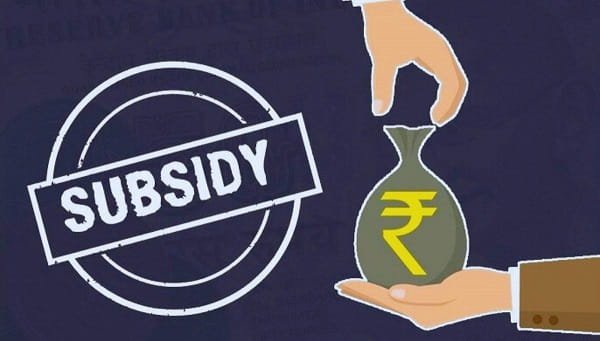
What is Interest Subsidy on Education Loan?
Interest subsidy means the government pays the interest amount on your education loan during the moratorium period (course duration + 1 year). You only repay the principal amount after the moratorium ends, making education more affordable.
Main Interest Subsidy Schemes in 2026
- Central Sector Interest Subsidy (CSIS) Scheme — Most popular for studies in India.
- Other state-specific or category-based schemes (SC/ST, OBC, minorities — though Padho Pardesh for overseas minorities has been discontinued).
Eligibility Criteria for CSIS Scheme
- Family Income: Annual parental/family income up to ₹4.5 lakh from all sources.
- Course: Professional or technical courses (undergraduate, postgraduate, diploma) from NAAC-accredited institutions, NBA-accredited programmes, CFTIs, or Institutions of National Importance.
- Loan: Taken under the Indian Banks’ Association (IBA) Model Education Loan Scheme from scheduled banks.
- Subsidy Limit: Full interest subsidy on loans up to ₹10 lakh.
- Nationality: Indian student.
- Income Proof: Valid income certificate issued by competent authority (Tehsildar, SDM, etc.).
Note: The subsidy is available only once per student.
Benefits of Claiming Interest Subsidy
- Full interest waiver during study period + 1 year.
- Reduces overall loan burden significantly.
- No extra cost or collateral needed for the subsidy part.
- Makes quality education accessible to EWS students.
Step-by-Step Process to Claim Interest Subsidy
Step 1: Apply for Education Loan
Approach any scheduled commercial bank, cooperative bank, or regional rural bank offering education loans under the IBA Model Scheme.
Step 2: Declare Interest Subsidy at the Time of Application
- Inform the bank officer that you want to avail CSIS.
- Submit the Income Certificate along with the loan application.
- The bank will verify your eligibility.
Step 3: Register on Official Portal
- Visit co.in (Unified portal for education loans and subsidies).
- Register using Aadhaar.
- Link your education loan details.
Step 4: Bank Verification and Submission
- The bank uploads your loan details and subsidy claim to the government portal (Canara Bank is the nodal bank for many schemes).
- Government verifies and approves the claim.
Step 5: Subsidy Disbursal
- The approved subsidy amount is credited directly to your loan account.
- You can track the status through your bank or the portal.
Important: Apply for the subsidy at the time of loan sanction. Claiming it later is difficult.
Documents Required
- Aadhaar Card
- PAN Card (student & parents)
- Income Certificate (₹4.5 lakh limit)
- Admission offer letter / Fee structure from institution
- Loan sanction letter
- Bank account details (linked to Aadhaar)
- Caste certificate (if applying under any reserved category scheme)
- Academic records
Timeline for Subsidy Claim
- Process usually takes 30–90 days after loan disbursement.
- Interest subsidy is credited once a year or as per government schedule.
Common Mistakes to Avoid
- Not submitting income certificate at loan application stage.
- Applying after the moratorium period starts.
- Using non-accredited institutions.
- Income exceeding ₹4.5 lakh.
- Missing updates on the pmvidyalaxmi portal.
Other Interest Subsidy Options
- State Government Schemes: Many states offer additional subsidies.
- Bank-Specific Offers: Some banks provide their own interest concessions.
- Merit-cum-Means Scholarships: Can be combined with loans in some cases.
Smart Tips for 2026
- Choose NAAC-accredited colleges to remain eligible.
- Get your income certificate renewed every year if needed.
- Compare education loan interest rates before finalizing the bank.
- Keep all repayment records safe even during moratorium.
- Check the latest updates on pmvidyalaxmi.co.in or myscheme.gov.in.
- Consult your bank’s education loan officer for smooth processing.
Conclusion
Claiming interest subsidy on education loans under the CSIS scheme can save you lakhs of rupees in interest. If your family income is below ₹4.5 lakh and you are pursuing a professional course in an approved institution, you should definitely apply for this benefit.
Start the process while applying for the education loan itself. Proper documentation and timely application are the keys to successfully claiming the subsidy.
Make your higher education dream affordable with government support. Visit your nearest bank branch or the PM Vidyalaxmi portal today and take the first step towards a brighter future.
FAQs: Claiming Interest Subsidy on Education Loans
Q1. What is the maximum income limit for CSIS interest subsidy?
A: Annual parental/family income should not exceed ₹4.5 lakh.
Q2. Is the interest subsidy available for studies abroad?
A: Generally no under CSIS (it is for studies in India). Padho Pardesh scheme for minorities has been discontinued.
Q3. Can I claim subsidy after the loan is disbursed?
A: It is very difficult. You should declare it at the time of loan application.
Q4. Is subsidy available on the full education loan amount?
A: Yes, up to ₹10 lakh loan amount.
Q5. Which bank is the nodal bank for CSIS?
A: Canara Bank is the nodal bank for implementation.
Q6. Do I need to repay the subsidized interest later?
A: No. The government pays it directly to your loan account.
Q7. Can I get both scholarship and interest subsidy?
A: Yes, in most cases they can be combined.
Q8. Where can I check the status of my subsidy claim?
A: Through your bank or on the pmvidyalaxmi.co.in portal.