
India is a land of temples, and among the countless sacred sites that dot the subcontinent, some stand out not only for their religious significance but also for the sheer scale of devotion they inspire. The Mansa Devi Temple Complex in Haridwar is one such place. Perched on the Bilwa Parvat hill overlooking the holy city of Haridwar and the sacred Ganga river, the Mansa Devi Temple draws millions of pilgrims every year who come to seek the blessings of the goddess and fulfil their wishes. This guide takes a detailed look at the Mansa Devi Temple Complex — its precise location, how to reach it, and the infrastructure that supports one of Uttarakhand’s most visited religious destinations.
What Is the Mansa Devi Temple Complex?
The Mansa Devi Temple Complex is a religious and pilgrimage site dedicated to Goddess Mansa Devi, who is worshipped as a manifestation of Shakti — the divine feminine energy in the Hindu tradition. The name Mansa Devi translates to the goddess who fulfils wishes, and this association with wish fulfilment is at the heart of the enormous devotion she inspires among pilgrims from across India and beyond.
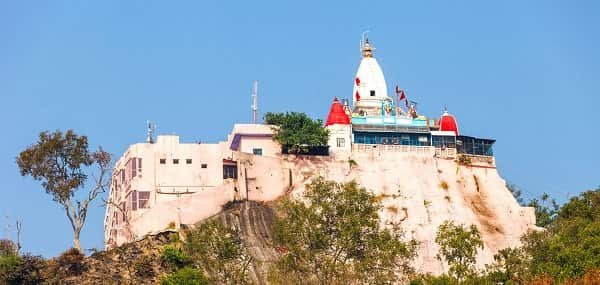
The main temple sits atop the Bilwa Parvat hill in Haridwar, Uttarakhand, and is considered one of the Siddha Peethas — sacred sites of great spiritual power in the Shakta tradition of Hinduism. The complex encompasses the main temple sanctum, multiple smaller shrines, a sacred tree around which devotees tie threads as a symbol of their wishes, prasad distribution points, and the supporting infrastructure of a major pilgrimage destination.
Haridwar itself is one of the seven holiest cities in Hinduism, and the Mansa Devi Temple is among its most important religious sites. For pilgrims visiting Haridwar for the famous Ganga Aarti at Har Ki Pauri, a visit to the Mansa Devi Temple Complex is an integral and inseparable part of the pilgrimage experience.
Location: Where Is the Mansa Devi Temple Complex?
The Mansa Devi Temple Complex is located on the Bilwa Parvat hill in Haridwar, Uttarakhand, in the northern part of India. Haridwar itself sits at the foothills of the Himalayas, at the point where the Ganga river descends from the mountains onto the plains — a geographical and spiritual confluence that has made it a centre of pilgrimage for thousands of years.
The temple complex sits at a significant elevation above the main city, offering sweeping views of Haridwar, the Ganga river, and the surrounding Himalayan foothills. This elevated position contributes to the spiritual atmosphere of the site and makes the journey up to the temple — whether on foot or by cable car — feel like a genuine act of pilgrimage in itself.
The complex is located on the northern edge of Haridwar, clearly visible from the main ghats and the city centre below. Bilwa Parvat is one of two prominent hillside temple complexes visible from Haridwar — the other being the Chandi Devi Temple on the Neel Parvat hill on the opposite side of the city. Together, these two temples define the skyline of Haridwar and form an important circuit for pilgrims visiting the city.
Connectivity: How to Reach the Mansa Devi Temple Complex
Reaching the Mansa Devi Temple Complex involves two stages — first getting to Haridwar, and then making the ascent to the hilltop temple.
Getting to Haridwar is straightforward from most parts of northern India. Haridwar Railway Station is one of the most important rail junctions in Uttarakhand, well connected to major cities including Delhi, Lucknow, Kolkata, Mumbai, and Dehradun. Trains from Delhi take approximately four to five hours depending on the service, making it a popular overnight or day trip destination for pilgrims from the capital.
By road, Haridwar is connected to Delhi via NH 58 and NH 334 — a distance of roughly 200 to 220 kilometres that takes approximately five to six hours by car or bus. State roadways buses and private luxury coaches operate regular services between Delhi and Haridwar throughout the day and night. Rishikesh, the neighbouring pilgrimage and yoga destination, is just 24 kilometres from Haridwar and easily accessible.
The nearest airport is the Jolly Grant Airport in Dehradun, approximately 35 to 40 kilometres from Haridwar. Regular flights connect Dehradun to Delhi, Mumbai, and other major Indian cities, making air travel a practical option for pilgrims coming from distant parts of the country.
Once in Haridwar, reaching the Mansa Devi Temple Complex can be done in two ways. The first and most popular method is the cable car — officially called the Udan Khatola — which carries pilgrims from the lower cable car station near the Moti Bazar area up to the hilltop in a comfortable and scenic gondola ride that takes just a few minutes. The cable car is operated daily and is especially recommended for elderly pilgrims, those with young children, and anyone who prefers a comfortable ascent.
The second option is the footpath that winds up the hillside from the base. This route takes approximately 30 to 45 minutes of steady walking and is a popular choice for pilgrims who prefer to make the ascent on foot as an act of devotion. The path is well-marked, maintained, and flanked by small shops and stalls selling religious items, flowers, and refreshments.
Infrastructure: What the Complex Offers
The Mansa Devi Temple Complex has developed substantial infrastructure to support the millions of pilgrims who visit every year, with particular upgrades made in the lead-up to major events like the Kumbh Mela and Ardh Kumbh Mela that bring tens of millions of devotees to Haridwar.
The main temple sanctum houses the idol of Goddess Mansa Devi and is the focal point of all worship activity at the complex. The sacred Akshaya Vat tree, around which devotees tie sacred threads called mauli as a symbol of wishes offered to the goddess, stands within the complex and is one of its most visited and photographed spots.
Supporting infrastructure includes prasad counters, shoe storage facilities, clean restrooms, and drinking water points. Security personnel manage crowd flow, particularly during peak pilgrimage seasons when the number of visitors can be enormous. The cable car station at the hilltop is well-integrated into the complex, allowing pilgrims arriving by gondola to enter the temple area smoothly.
Shops and stalls selling religious offerings, souvenirs, and refreshments are concentrated along the access routes and near the complex entrance, catering to the practical and devotional needs of pilgrims throughout their visit.
Quick Facts
| Feature | Details |
| Full Name | Mansa Devi Temple Complex |
| Location | Bilwa Parvat, Haridwar, Uttarakhand |
| Dedicated To | Goddess Mansa Devi (Shakti) |
| Religious Significance | Siddha Peetha — Sacred Shakta Pilgrimage Site |
| Nearest City | Haridwar, Uttarakhand |
| Nearest Railway Station | Haridwar Railway Station (~2-3 km) |
| Nearest Airport | Jolly Grant Airport, Dehradun (~35-40 km) |
| Cable Car | Udan Khatola — Available from Moti Bazar Base Station |
| Distance from Delhi | ~200-220 km (5-6 hours by road) |
| Best Time to Visit | October to March (pleasant weather) |
| Major Events | Kumbh Mela, Navratri, Shivratri |
| Facilities | Prasad Counters, Restrooms, Shoe Storage, Shops |
Frequently Asked Questions (FAQs)
Q1. Where is the Mansa Devi Temple Complex located?
A: The Mansa Devi Temple Complex is located on Bilwa Parvat hill in Haridwar, Uttarakhand. The hilltop temple overlooks the holy city of Haridwar and the Ganga river and is one of the most important Shakta pilgrimage sites in northern India.
Q2. How do I reach the Mansa Devi Temple from Haridwar city?
A: From Haridwar city, you can either take the cable car known as the Udan Khatola from the base station near Moti Bazar, which takes just a few minutes, or you can walk up the designated footpath which takes approximately 30 to 45 minutes. The cable car is particularly convenient for elderly visitors and those travelling with young children.
Q3. What is the significance of tying a thread at the Mansa Devi Temple?
A: Devotees tie a sacred thread called mauli around the branches of the Akshaya Vat tree within the temple complex as a symbol of a wish or prayer offered to Goddess Mansa Devi. Once the wish is fulfilled, devotees traditionally return to the temple to untie the thread as an act of gratitude to the goddess.
Q4. What is the best time to visit the Mansa Devi Temple Complex?
A: The best time to visit is between October and March when the weather in Haridwar is pleasant and comfortable for outdoor pilgrimage activity. The monsoon months of July and August bring heavy rainfall that can make the hillside paths slippery and challenging. Navratri festivals in spring and autumn bring particularly large crowds and a vibrant spiritual atmosphere.
Q5. How far is the Mansa Devi Temple from Delhi?
A: Haridwar is approximately 200 to 220 kilometres from Delhi, which translates to roughly five to six hours by road depending on traffic and the route taken. By train, the journey takes approximately four to five hours on faster services. It is a popular weekend and pilgrimage trip for residents of Delhi and the surrounding NCR region.
Q6. Are there facilities for elderly and differently-abled pilgrims at the complex?
A: Yes. The cable car service is the most important accommodation for elderly and differently-abled pilgrims, allowing them to reach the hilltop temple without the physical exertion of the footpath climb. Basic accessibility considerations have been incorporated into the complex infrastructure, and security and volunteer personnel at the site are generally helpful in assisting visitors who need support during their visit.