
When shopping for solid wood furniture like beds, dining tables, wardrobes, or coffee tables in India, many people compare Rubber Wood and Teak Wood. Both are popular, but they are very different in price, strength, look, and performance. This simple guide will help you make the right choice for your home in Delhi, Mumbai, Bangalore, or any Indian city.
What is Rubber Wood?
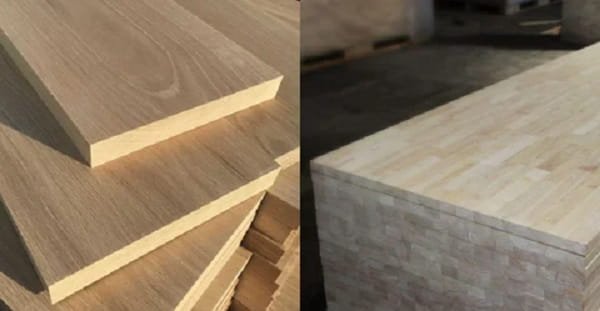
Rubber Wood comes from rubber trees (Hevea brasiliensis) after they stop producing latex (usually after 25–30 years). It is light-coloured (cream to pale brown) with a straight grain. It is widely used for affordable, modern, and Scandinavian-style furniture. Rubber wood is considered highly sustainable because it uses plantation trees that would otherwise be wasted.
What is Teak Wood?
Teak is a premium hardwood known for its golden-brown colour and natural oil content. It is grown in Kerala, Karnataka, and some imported sources. Teak is one of the most respected woods in the world for its beauty and long life.
Head-to-Head Comparison
1. Looks & Grain
- Rubber Wood: Light, clean, and minimalist look. It accepts stains and paints very well, making it perfect for modern and light-coloured interiors.
- Teak Wood: Rich golden to brown colour with beautiful natural grain. It develops a lovely golden patina (shine) over time and looks luxurious and traditional.
2. Cost
- Rubber Wood: Very affordable. A king-size bed costs ₹20,000–45,000.
- Teak Wood: Expensive. The same bed can cost ₹70,000–2,00,000 or more. Rubber wood is a great budget-friendly option for middle-class families.
3. Strength & Durability
- Teak: Much stronger, harder, and more stable. Excellent for heavy daily use.
- Rubber Wood: Medium strength. It is softer and can dent or scratch more easily, but it is still suitable for normal household furniture.
4. Moisture & Indian Climate
- Teak: Outstanding performance. Its natural oils make it highly resistant to humidity, warping, and cracking — ideal for humid cities like Mumbai, Chennai, Kolkata, and coastal areas.
- Rubber Wood: Average moisture resistance. It can swell or warp if exposed to high humidity or water without proper sealing and polishing, especially during Delhi monsoons.
5. Termite & Borer Resistance
- Teak: Naturally very high resistance due to its oils.
- Rubber Wood: Lower resistance. Needs regular anti-termite treatment and polishing.
6. Maintenance
- Teak: Low maintenance. Occasional dusting and waxing is enough.
- Rubber Wood: Needs polishing every 6–8 months to protect the surface and maintain shine.
7. Weight
- Rubber Wood: Lighter and easier to move — good for rented homes.
- Teak: Heavier, giving a solid and premium feel.
8. Lifespan
- Teak: 50–100+ years with good care.
- Rubber Wood: 15–30 years with proper maintenance.
Which One Should You Choose?
Choose Rubber Wood if:
- You want stylish, modern, light-coloured furniture.
- Budget is medium or limited.
- You like minimalist or contemporary designs.
- For younger families or frequent shifting.
Choose Teak Wood if:
- You want furniture that lasts for generations.
- Live in humid or coastal areas.
- Budget is comfortable.
- For main pieces like beds, dining tables, or outdoor furniture.
Smart Indian Tip: Many people use a combination — Rubber Wood for lighter items (coffee tables, chairs, sideboards) and Teak for heavy-use furniture (beds and dining sets). Always buy well-seasoned wood and get it treated for termites. For modern homes, rubber wood with matte or natural finish looks very trendy.
Environmental Angle
Rubber Wood is highly sustainable as it comes from old rubber plantations. Teak is also good if sourced from certified sustainable plantations. Always prefer FSC-certified wood.
Final Verdict
Teak Wood is the superior and long-lasting choice if you want premium quality and furniture that can be passed down through generations. However, Rubber Wood is the practical winner for most Indian families today because it offers good looks, lighter weight, modern appeal, and excellent value for money.
The final decision depends on your budget, interior style (modern vs traditional), and local climate. Visit showrooms in your city, touch both woods in natural light, and discuss your needs with the designer before buying.
Good solid wood furniture is a lifetime investment. Whether you choose Rubber Wood or Teak, proper care and regular polishing will keep it beautiful through Indian festivals, family functions, and daily life for many years.
Frequently Asked Questions (FAQ)
Q1. Which is better – Rubber Wood or Teak Wood?
A: Teak is better in strength, durability, and moisture resistance, but Rubber Wood is better for budget and modern looks.
Q2. Is Rubber Wood strong enough for furniture?
A: Yes, it is strong for normal home use, but not as tough as Teak for very heavy items.
Q3. Which wood is better for Indian monsoon?
A: Teak performs much better due to its natural oils.
Q4. Does Rubber Wood get damaged easily?
A: It can dent and scratch more easily and needs regular care against termites.
Q5. What is the price difference?
A: Rubber wood furniture is usually 50–70% cheaper than Teak wood.
Q6. Which one looks more premium?
A: Teak has a richer, more luxurious traditional appeal. Rubber wood looks premium in modern light interiors.
Q7. Best brands / places to buy in India?
A: Kirti Nagar (Delhi), Andheri (Mumbai), or reputed furniture stores. Always check for proper seasoning.
Q8. Can Rubber Wood be used outdoors?
A: Not recommended. Teak is far better for outdoor or semi-outdoor use.