
India’s judicial system is one of the largest and most complex in the world, and at the ground level, it is the city civil courts that handle the bulk of everyday legal matters that affect ordinary citizens. From property disputes and matrimonial cases to commercial disagreements and civil suits, the city civil court complex is where justice moves at the pace of paperwork and procedure. If you have ever needed to file a civil case, track a hearing, or simply understand how these courts function — this guide covers everything you need to know about the City Civil Court Complex.
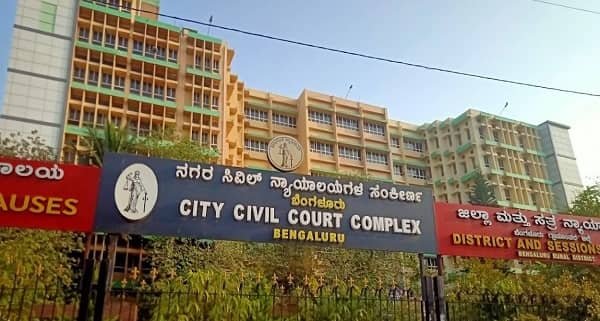
What Is the City Civil Court Complex?
A City Civil Court Complex is a dedicated judicial campus that houses the civil courts of a city, along with all the supporting infrastructure required for the functioning of civil litigation. Unlike criminal courts that deal with offences against the state, civil courts handle disputes between private parties — individuals, companies, institutions — over matters like property ownership, contract breaches, family disputes, injunctions, and monetary claims.
The City Civil Court Complex brings together multiple court halls, judges’ chambers, filing counters, record rooms, advocates’ chambers, and public facilities under one roof or across a connected campus. This consolidation of legal infrastructure is essential in large Indian cities where the volume of civil litigation runs into hundreds of thousands of cases at any given time.
Most major Indian cities have a dedicated City Civil Court Complex. Among the most prominent are the City Civil Court Complexes in Mumbai, Chennai, Hyderabad, Bengaluru, and Ahmedabad — each handling enormous caseloads that reflect the legal and commercial activity of their respective cities.
Structure and Functioning
The City Civil Court Complex operates under a well-defined hierarchy. At the top sits the Principal City Civil Judge, who oversees the functioning of the entire court complex. Below this position are Additional City Civil Judges and Junior Civil Judges who handle cases assigned to their respective court numbers.
Each court within the complex has its own courtroom, a bench presided over by a judge, and associated staff including a court master, reader, and peon. Cases are filed at the designated filing section, assigned a case number, and then allocated to a specific court based on the nature and value of the dispute.
The complex also houses a record room where physical case files are stored and maintained — a critical function given the sheer volume of ongoing and archived litigation. In recent years, many city civil court complexes have moved towards e-filing systems and digital case management platforms, reducing the dependence on physical records and making information more accessible to litigants and advocates.
The Bar Association, which represents the community of practising advocates, also has a presence within the complex. Advocate chambers, libraries, and meeting rooms are typically part of the infrastructure, catering to the thousands of lawyers who work within the complex daily.
Location and Accessibility
City Civil Court Complexes are typically located in the heart of the city or in established civic and administrative corridors. In Mumbai, the City Civil Court is located near the Bombay High Court in the Fort area of South Mumbai. In Hyderabad, it is situated near Nampally, close to the historic city centre. In Bengaluru, the City Civil Court is located in the Upparpet area near the central business district.
This central positioning is intentional — civil courts need to be accessible to all sections of the population, regardless of which part of the city they live in. Being centrally located and well-connected by public transport ensures that litigants, witnesses, and advocates can reach the complex without excessive difficulty.
Most city civil court complexes are well-served by public transport including metro, local trains, and city buses. Parking is available within or near the premises, though it is often limited given the high footfall during working days.
Facilities and Infrastructure
The infrastructure of a City Civil Court Complex is designed to serve the functional demands of a busy judicial environment. Standard facilities include multiple court halls equipped with judicial benches, seating for advocates and litigants, and public galleries. Filing counters handle the submission and registration of plaints, applications, and other documents. Cash counters collect court fees and process financial transactions related to case filings.
Most complexes have separate sections for certified copy applications, record room access, and process serving. Waiting areas for litigants, canteen facilities, and basic amenities like drinking water and restrooms are standard features. Security personnel are posted at all entry points, and visitors may be required to pass through security checks before entering the premises.
Digitisation efforts have introduced computerised case listing displays, online cause list access, and in some complexes, e-payment options for court fees — all aimed at reducing the inconvenience and time spent by litigants on routine procedural tasks.
Quick Facts
| Feature | Details |
| Full Name | City Civil Court Complex |
| Type | Judicial and Legal Administrative Campus |
| Jurisdiction | Civil Disputes — Property, Family, Commercial, Contract |
| Head of Court | Principal City Civil Judge |
| Key Sections | Filing Counter, Record Room, Court Halls, Bar Association |
| Working Days | Monday to Saturday (except public holidays) |
| Working Hours | Typically 10:30 AM to 5:00 PM |
| Online Services | e-Filing, Case Status, Cause List (varies by city) |
| Notable Cities | Mumbai, Hyderabad, Bengaluru, Chennai, Ahmedabad |
| Location Pattern | Central city or civic administrative zone |
| Parking | Available within or near premises (limited) |
| Security | Security checkpoints at entry points |
Frequently Asked Questions (FAQs)
Q1. What types of cases are handled at the City Civil Court Complex?
A: City Civil Courts handle disputes between private parties. This includes property disputes, partition suits, matrimonial cases, contract breach claims, injunction applications, monetary recovery suits, and other civil matters. Criminal cases are handled by separate criminal courts.
Q2. How do I file a case at the City Civil Court Complex?
A: To file a case, you need to prepare a plaint with the assistance of a practising advocate, pay the requisite court fee based on the value of the suit, and submit the documents at the designated filing counter. The case is then registered and assigned to a specific court for hearing.
Q3. Can I check my case status online?
A: Yes. Most city civil court complexes are now connected to the eCourts platform, which allows litigants to check case status, hearing dates, and cause lists online through the eCourts website or mobile app. This has significantly reduced the need for physical visits just to track case progress.
Q4. Do I need a lawyer to appear at the City Civil Court?
A: While it is technically possible to represent yourself in a civil case, it is strongly advisable to engage a qualified advocate. Civil litigation involves complex procedural requirements, evidence rules, and legal arguments that require professional expertise to navigate effectively.
Q5. What are the working hours of the City Civil Court Complex?
A: City Civil Courts generally operate from Monday to Saturday, typically between 10:30 AM and 5:00 PM, with a lunch break in between. Courts are closed on Sundays and public holidays. It is advisable to verify the specific working hours of your city’s court complex through the official eCourts portal.
Q6. Are there facilities for senior citizens and persons with disabilities at the City Civil Court Complex?
A: Most major city civil court complexes have made efforts to improve accessibility including ramps, designated waiting areas, and priority service counters for senior citizens and persons with disabilities. The extent of these facilities varies by city and the age of the complex infrastructure.