
Nestled in the lap of the Himalayas, Sikkim is one of India’s most beautiful states, known for its snow-capped mountains, Buddhist monasteries, lush valleys, and rich cultural diversity. The cuisine of Sikkim is as unique as its landscapes, influenced by the traditions of the Lepcha, Bhutia, and Nepali communities. Traditional Sikkimese food is simple, wholesome, and prepared using fresh local ingredients, making it both flavorful and nutritious.
Unlike many Indian regional cuisines, Sikkimese dishes use minimal oil and spices, allowing the natural flavors of vegetables, meat, and herbs to shine. Rice, noodles, fermented foods, dairy products, and seasonal vegetables form the foundation of everyday meals. The cold Himalayan climate has also influenced the cuisine, with warm soups and steamed dishes playing an important role.
If you’re planning to explore the authentic flavors of the Himalayas, here are the top five traditional foods of Sikkim that every food lover should try.
1. Momos
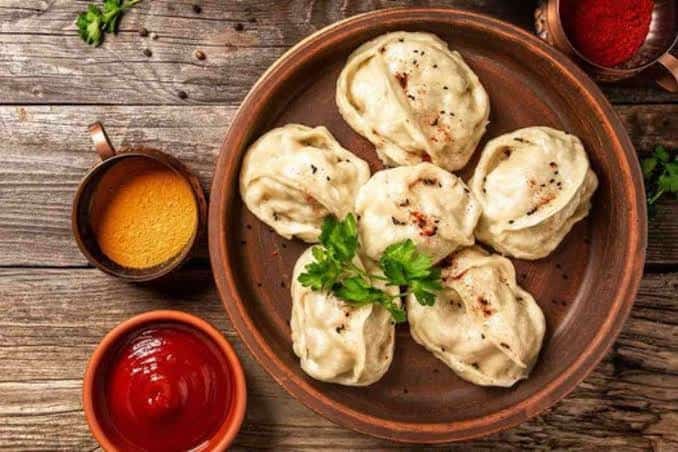
Momos are undoubtedly the most famous traditional food of Sikkim and have become one of the state’s culinary symbols.
These soft, steamed dumplings are made using thin wheat flour wrappers filled with vegetables, paneer, chicken, pork, or minced meat. They are served with spicy tomato or chili chutney that enhances their delicious flavor.
Momos are commonly enjoyed as a snack, lunch, or dinner and are available in homes, restaurants, and roadside eateries across Sikkim. Their juicy filling, soft texture, and flavorful dipping sauce make them one of the most loved dishes in the region.
Whether steamed or fried, Momos are a must-try for anyone visiting Sikkim.
2. Thukpa
Thukpa is a comforting noodle soup that is especially popular during Sikkim’s cold winters.
Prepared with handmade noodles, fresh vegetables, and chicken, mutton, or beef, the soup is simmered in a flavorful broth seasoned with garlic, ginger, and mild spices.
Rich, nourishing, and easy to digest, Thukpa provides warmth and energy while showcasing the Himalayan influence on Sikkimese cuisine. It is commonly served as both a lunch and dinner dish and remains a favorite comfort food among locals.
Its wholesome ingredients make it one of the healthiest traditional dishes in Sikkim.
3. Phagshapa
Phagshapa is one of the most popular traditional meat dishes of Sikkim, particularly among the Bhutia community.
This flavorful preparation consists of pork cooked with radishes, dried red chilies, and local herbs. Unlike heavily spiced curries, Phagshapa relies on the natural richness of pork and the freshness of vegetables to create its distinctive taste.
The dish is slow-cooked until the meat becomes tender and is usually served with steamed rice. Its hearty flavor makes it especially popular during the colder months.
Phagshapa beautifully reflects the traditional cooking style of the Himalayan region.
4. Gundruk
Gundruk is one of the oldest and most nutritious traditional foods enjoyed in Sikkim.
It is prepared by fermenting leafy vegetables such as mustard leaves, radish leaves, or cauliflower leaves before drying them naturally. The fermented greens are later cooked into soups, curries, or side dishes.
The fermentation process gives Gundruk its distinctive tangy flavor while increasing its nutritional value. Rich in vitamins, minerals, and probiotics, it has long been valued as a healthy and sustainable food.
Served with rice, Gundruk is an important part of daily meals in many Sikkimese households.
5. Sel Roti
No traditional celebration in Sikkim is complete without Sel Roti, a delicious homemade rice bread.
Prepared using rice flour, sugar, milk, cardamom, and ghee, the batter is shaped into circular rings and deep-fried until golden brown. The result is a crispy exterior with a soft, slightly sweet interior.
Sel Roti is especially popular during festivals such as Dashain, Tihar, weddings, and other family celebrations. It is often served with yogurt, vegetable curry, or tea.
Its unique texture and mildly sweet flavor make Sel Roti one of Sikkim’s most cherished traditional delicacies.
What Makes Sikkimese Cuisine Unique?
Sikkimese cuisine is unique because it reflects the state’s multicultural heritage and Himalayan geography. The food emphasizes fresh ingredients, minimal spices, and traditional cooking methods such as steaming, boiling, and fermentation.
Rice, noodles, vegetables, dairy products, fermented foods, and meat are staples of everyday meals. Fermented ingredients like Gundruk add depth of flavor while providing important health benefits.
The cuisine also shows strong Tibetan and Nepali influences, particularly through dishes such as Momos and Thukpa. Every recipe is designed to provide warmth, nourishment, and balanced nutrition, making Sikkimese food both healthy and satisfying.
Conclusion
The traditional food of Sikkim offers a delightful blend of simplicity, nutrition, and authentic Himalayan flavors. From the world-famous Momos and comforting Thukpa to the hearty Phagshapa, nutritious Gundruk, and festive Sel Roti, each dish reflects the state’s rich cultural heritage and mountain lifestyle.
Whether you’re planning a trip to the Eastern Himalayas or exploring India’s diverse regional cuisines from your own kitchen, these five traditional dishes provide the perfect introduction to Sikkim’s remarkable food culture. Their fresh ingredients, healthy preparation methods, and unforgettable flavors make Sikkimese cuisine a truly rewarding culinary experience.