
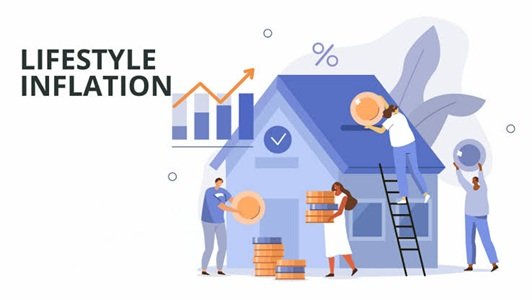
As your income grows, it’s natural to want a better quality of life. You may upgrade your smartphone, move into a larger home, dine out more often, or book more luxurious vacations. While there’s nothing wrong with enjoying the rewards of your hard work, problems arise when your spending increases at the same pace—or even faster—than your income. This common financial habit is known as lifestyle inflation.
Lifestyle inflation can quietly prevent you from building savings, investing for the future, or achieving long-term financial goals. The good news is that with mindful spending and smart financial habits, you can enjoy your success while continuing to grow your wealth.
In this article, we’ll explore what lifestyle inflation is, why it happens, and practical ways to save money successfully.
What Is Lifestyle Inflation?
Lifestyle inflation, also known as lifestyle creep, occurs when your expenses increase as your income rises. Instead of saving or investing extra earnings, you gradually spend more on non-essential items and upgraded experiences.
For example:
- Moving to a more expensive apartment immediately after receiving a salary raise.
- Buying the latest smartphone every year.
- Dining at premium restaurants more frequently.
- Upgrading your car even when your current one works perfectly.
- Purchasing luxury brands simply because you can afford them.
These changes often happen gradually, making them difficult to notice until your savings stop growing.
Why Does Lifestyle Inflation Happen?
Lifestyle inflation isn’t always driven by necessity. Several psychological and social factors contribute to it.
Common reasons include:
- Wanting to reward yourself after a promotion.
- Comparing your lifestyle with friends or colleagues.
- Social media influencing spending habits.
- Easy access to credit cards and loans.
- Feeling that higher income justifies higher spending.
Understanding these triggers can help you make more intentional financial decisions.
Why Lifestyle Inflation Can Be Harmful
Enjoying your income is important, but constantly increasing expenses can create financial pressure.
Lifestyle inflation may lead to:
- Lower savings.
- Difficulty building an emergency fund.
- Delayed retirement planning.
- Increased dependence on credit.
- Financial stress despite earning more.
Ironically, some people earn significantly higher salaries than before but still feel they are living paycheck to paycheck because their expenses have grown just as quickly.
Track Your Spending
The first step toward controlling lifestyle inflation is understanding where your money goes.
Track your monthly expenses by categorising them into:
- Housing
- Transportation
- Groceries
- Utilities
- Entertainment
- Shopping
- Dining out
- Savings and investments
Seeing your spending patterns can help you identify areas where unnecessary expenses have quietly increased.
Save Before You Spend
A simple but effective strategy is to treat savings like a monthly bill.
Whenever your salary is credited:
- Transfer a fixed amount into savings.
- Invest regularly.
- Contribute to your emergency fund.
By saving first, you reduce the temptation to spend everything that’s left in your account.
Increase Savings When Your Income Increases
A salary raise doesn’t have to result in higher spending.
For example, if you receive a 10% salary increase:
- Allocate part of it toward investments.
- Increase retirement contributions.
- Build your emergency fund.
- Save for long-term financial goals.
You can still enjoy a portion of your raise while ensuring your financial future also benefits.
Differentiate Between Wants and Needs
Before making major purchases, ask yourself:
- Do I genuinely need this?
- Will it improve my daily life?
- Can I comfortably afford it?
- Am I buying it because of social pressure?
Taking a moment to reflect helps prevent impulse spending.
Avoid Comparing Yourself to Others
Social media often showcases expensive holidays, luxury cars, designer clothing, and lavish lifestyles.
Remember:
- You don’t know someone’s financial situation.
- Many purchases may be financed through debt.
- Online posts rarely reflect financial realities.
Focus on your own financial goals rather than trying to match someone else’s lifestyle.
Set Clear Financial Goals
Having meaningful goals makes it easier to resist unnecessary spending.
Examples include:
- Buying a home.
- Building an emergency fund.
- Starting a business.
- Funding your children’s education.
- Planning for retirement.
- Taking a dream vacation without debt.
When your money has a purpose, it’s easier to make mindful spending decisions.
Enjoy Life Within Your Means
Avoiding lifestyle inflation doesn’t mean depriving yourself.
You can still:
- Travel occasionally.
- Enjoy good food.
- Upgrade important items when necessary.
- Celebrate milestones.
The goal is intentional spending rather than automatic spending whenever your income increases.
Build an Emergency Fund
Unexpected expenses can happen at any time.
Aim to save enough to cover three to six months of essential living expenses.
An emergency fund provides financial security and reduces reliance on loans or credit cards during difficult times.
Review Your Budget Regularly
Financial habits change over time.
Review your budget every few months to ensure your spending still aligns with your goals.
Ask yourself:
- Have my expenses increased unnecessarily?
- Am I saving enough?
- Are my purchases adding genuine value?
- Can I reduce any recurring costs?
Regular reviews help prevent lifestyle inflation from becoming a long-term habit.
Sample Budget Allocation
Here’s an example of a balanced monthly budget:
- Needs: 50%
- Savings and investments: 20%
- Lifestyle and entertainment: 20%
- Personal development and hobbies: 10%
Adjust these percentages according to your income, responsibilities, and financial priorities.
Final Thoughts
Lifestyle inflation is a common financial challenge, especially as your career progresses and your income grows. While it’s perfectly reasonable to enjoy the rewards of your hard work, allowing every salary increase to translate into higher spending can make it difficult to build lasting financial security.
By tracking your expenses, saving before spending, setting clear financial goals, and making thoughtful purchasing decisions, you can enjoy a comfortable lifestyle while steadily growing your wealth. Remember, financial success isn’t determined by how much you earn—it’s determined by how wisely you manage what you earn.
The best time to build healthy financial habits is before lifestyle inflation becomes your normal way of living. Small, consistent decisions today can create lasting financial freedom in the future.
Frequently Asked Questions (FAQs)
Q1. What is lifestyle inflation?
Lifestyle inflation is the tendency to increase your spending as your income grows, often reducing your ability to save and invest for future goals.
Q2. Is lifestyle inflation always a bad thing?
Not necessarily. Improving your quality of life is perfectly reasonable, but problems arise when spending grows faster than your income or prevents you from saving effectively.
Q3. How can I avoid lifestyle inflation?
Track your expenses, save before spending, increase your savings after salary raises, set financial goals, and distinguish between wants and needs before making purchases.
Q4. Why do people experience lifestyle inflation?
It often results from higher incomes, social comparison, advertising, easy access to credit, and the desire to reward oneself after career achievements.
Q5. How much should I save when my salary increases?
There’s no fixed rule, but allocating a significant portion of every salary increase toward savings, investments, or debt repayment can help you build long-term financial security while still enjoying some of the additional income.