
When buying furniture, kitchen cabinets, wardrobes, or TV units in India, many people get confused between Compressed Wood and Plywood. Both are widely used man-made wood materials, but they differ significantly in strength, cost, durability, and performance in our humid and hot climate. This easy-to-read guide will help you make the right choice for your home in Delhi, Mumbai, Bangalore, or any other Indian city.
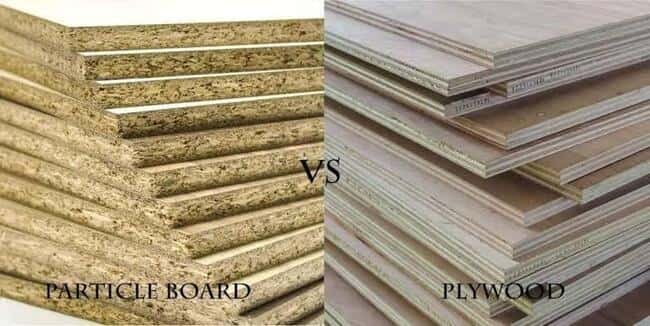
What is Plywood?
Plywood is made by gluing multiple thin layers (plies) of real wood veneers together. Each layer is arranged at a 90-degree angle to the next, which gives it high strength and stability. It is available in MR (Moisture Resistant) and BWR (Boiling Water Resistant) grades. Popular brands: Greenply, Century Ply, Kitply, and Merino.
What is Compressed Wood?
Compressed Wood (also called Particle Board or Chipboard) is made by compressing small wood particles, chips, and sawdust with resin under high heat and pressure. It is one of the most affordable engineered wood options. It is often covered with laminate, veneer, or PVC. Brands like Action Tesa, Greenlam, and local manufacturers produce it.
Head-to-Head Comparison
- Strength & Durability
- Plywood: Much stronger and more stable. It handles heavy weight well and does not sag easily. Ideal for structural parts.
- Compressed Wood: Weaker. It can bend or break under heavy load and is more prone to damage.
- Cost
- Compressed Wood: Significantly cheaper (40–60% less than plywood). Great for budget projects.
- Plywood: More expensive but offers better long-term value.
- Moisture Resistance
Very important for Indian homes.
- Plywood (BWR grade): Excellent resistance to humidity and occasional water exposure. Performs well during monsoons.
- Compressed Wood: Poor. It swells, softens, and loses shape quickly if water touches the edges — a common problem in Delhi and Mumbai kitchens.
- Weight
- Compressed Wood: Lighter and easier to carry or shift.
- Plywood: Heavier and sturdier.
- Surface Finish
- Plywood: Good surface but may need better finishing.
- Compressed Wood: Smooth and uniform, excellent for laminate and paint finishes.
- Termite Resistance
Both need treatment, but pre-treated plywood generally performs better due to its layered structure.
- Maintenance & Lifespan
- Plywood: Lasts 15–25 years with good care. Easier to repair.
- Compressed Wood: Lasts 6–12 years. Once swollen or damaged, it is difficult to repair.
- Application
- Plywood: Beds, kitchen cabinets, heavy shelves, and structural work.
- Compressed Wood: Low-cost wardrobes, TV units, temporary furniture, and non-visible parts.
Which One Should You Choose?
Choose Plywood if:
- You want strong, long-lasting furniture.
- For kitchens, bathrooms, or heavy-use areas.
- You live in humid climates.
- Budget allows better quality.
Choose Compressed Wood if:
- Budget is tight.
- For light-use items like storage units or decorative pieces.
- Furniture will be in dry areas with low moisture risk.
Smart Indian Tip: Many carpenters use a hybrid approach — Plywood for the main carcass (body) and Compressed Wood with good laminate for shutters and visible surfaces. This gives strength where needed and saves cost. Always choose MR grade compressed wood and ensure all edges are properly sealed with PVC banding.
Environmental & Health Angle
Both use wood waste and are eco-friendly compared to solid wood. Always select E0 or E1 grade (low formaldehyde) boards for health safety, especially if you have children or elderly at home.
Frequently Asked Questions (FAQ)
Q1. Which is better – Compressed Wood or Plywood?
A. Plywood is better for strength and durability. Compressed Wood is better for low budget and light use.
Q2. Is Compressed Wood the same as Particle Board?
A. Yes, Compressed Wood is commonly known as Particle Board.
Q3. Which is suitable for Indian kitchen?
A. Plywood (BWR grade) is much safer and more durable. Avoid compressed wood in wet areas.
Q4. Does Compressed Wood swell in monsoon?
A. Yes, very easily if edges are not sealed properly.
Q5. What is the price difference?
A. Compressed Wood is 40–60% cheaper than plywood.
Q6. Which one is lighter?
A. Compressed Wood is lighter and easier to handle.
Q7. Best brands in India?
A.
- Plywood: Greenply, Century Ply
- Compressed Wood: Action Tesa, Greenlam
Q8. Can Compressed Wood be used for beds?
A. Not recommended for heavy beds. Use plywood for better strength and longevity.
Final Verdict
Plywood is the clear winner for most Indian homes if you want strong, durable, and long-lasting furniture that can handle real family use and our climate. Compressed Wood is a good budget option for light-use or temporary furniture, but it requires careful maintenance.
The smartest choice is often a combination of both materials. Before buying, visit showrooms in your city (Kirti Nagar in Delhi is excellent), check the thickness, grade, and ask the designer about your specific needs and local climate.
Remember, good furniture should look beautiful today and still be strong after 10 years of Indian festivals, cooking, kids playing, and monsoons. Choose wisely according to your budget and usage for a happy and durable home!